The Importance of Security Testing in Gaming

Share Via:

Why security testing is a necessary step to take to ensure the quality, longevity and compatibility of your video game

Author: Sanal Nair
Sanal is the QA Manager – Security at GlobalStep and works with our video game clients to identify and resolve potential security and quality issues.
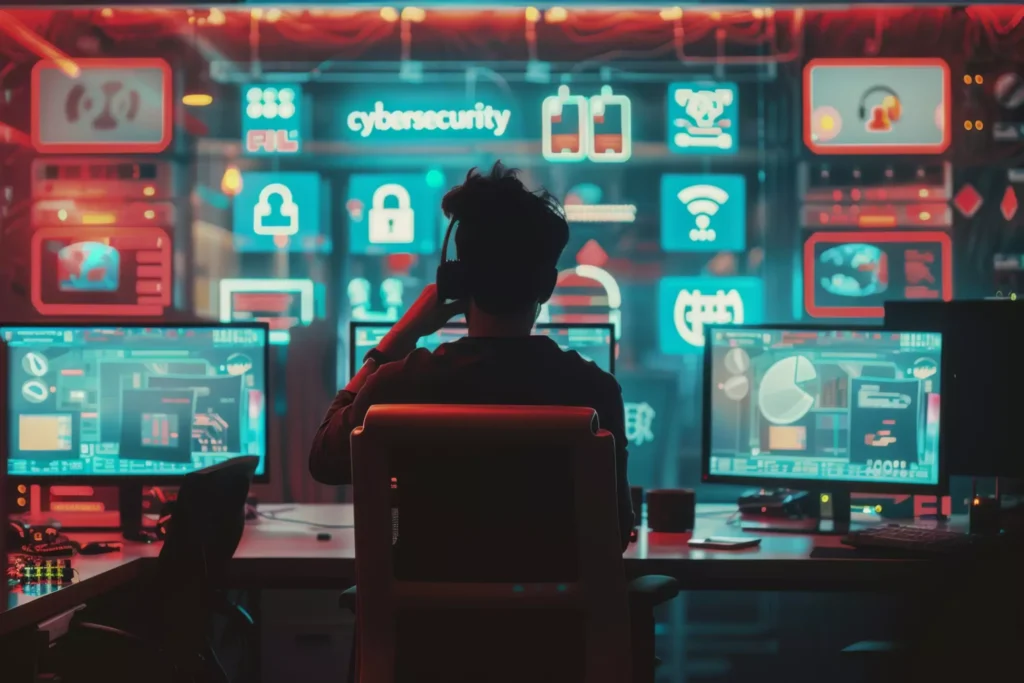

The gaming world has been a very fast-paced one for quite some time now and it doesn’t appear to be slowing down any time soon. PwC reported that the gaming sector is estimated to potentially generate $326 billion by 2026. As the industry continues to grow in popularity, so does the risk of cyberattacks against video game development and publishing companies. In order to prevent security threats and maintain their player base, these companies need to make security testing an essential part of their game development and deployment processes. 

A major factor that makes the gaming industry highly susceptible to cyberattacks is its large user base and valuable data owned by best gaming companies. These vulnerabilities are what cyber criminals are always trying to exploit with an aim of stealing sensitive information. Among the things they can steal include login credentials, payment details, in-game items or currency, email addresses, phone numbers, location data, inside game talks and more. They can also take game design documents as well as source codes and proprietary algorithms, essentially robbing a designer of their intellectual property rights. With online gaming becoming more popular than ever before, there is increased exposure to potential data breaches which makes it even more important for rigorous security testing measures. 

Gaming firms must adopt superior practices within their security testing protocols to safeguard their IP. One such measure would be performing regular penetration tests that simulate real-world attacks on various parts of the game infrastructure, thereby identifying possible weaknesses. It is important to prioritize both internal and external penetration tests ito cover all bases when it comes to securing a particular title. 

To ensure the security of any application, it is important to follow secure coding standards. This includes conducting a security analysis to identify potential vulnerabilities and implementing measures to address them. Secure coding also involves using secure development best practices such as validating input and handling errors, as well as enforcing strong access controls so that only authorized individuals can access sensitive data.  

By engaging in secure coding, developers can help prevent cyberattacks that take advantage of security flaws. 
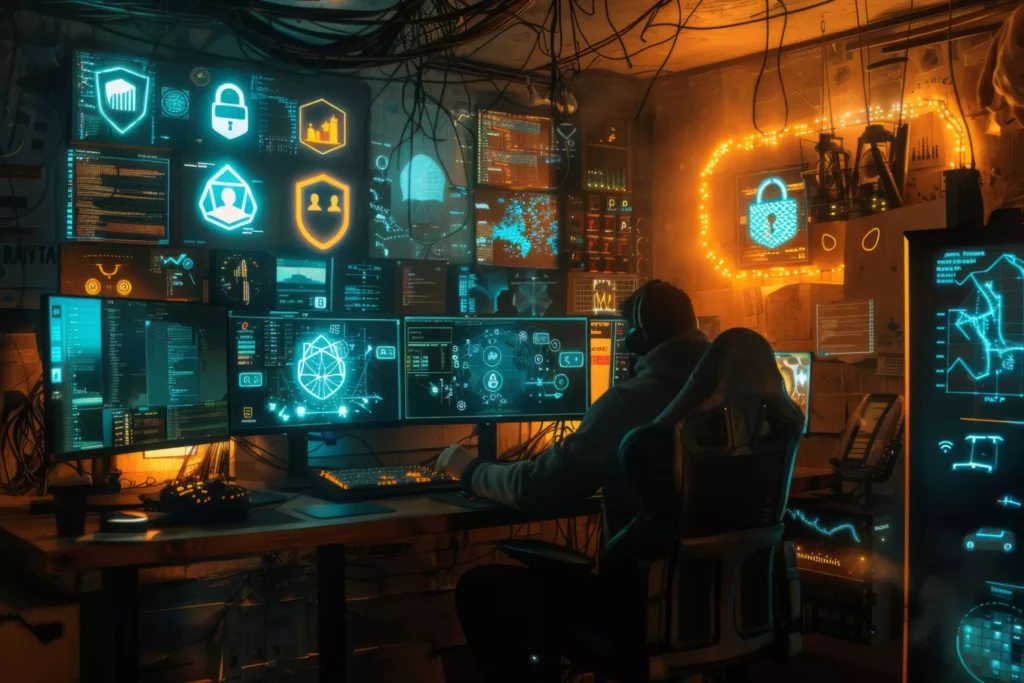
A cybersecurity specialist is working intensely at night, surrounded by multiple computer monitors displaying security analytics and world maps. The room is dimly lit, enhancing the glowing effect of the screens.

While technical security best practices are crucial, educating and making players aware of their responsibilities is just as important. This involves teaching them why it is necessary to have strong and unique passwords and how to spot and report suspicious activities. A safe gaming environment is created through player training which builds trust among players and increases their loyalty to the game. 

In the gaming industry, failing to give priority to security testing can have serious consequences. If personal information or other sensitive data is exposed during a breach, it could lead to intellectual property loss, financial damages, reputational harm or legal actions taken against the company by affected individuals or authorities. A breach could also result in a bad user experience and the withdrawal of players’ trust so that they refuse to use the services in the future. Companies ignoring security testing have suffered substantial financial losses and damaged reputations due to recent data breaches within the gaming industry. An attack of thisnature may cause a decline both in the number of active users as well as income generated by the platform. 

For example, consider what happened after the PlayStation Network was hacked in 2011. Besides losing millions of user records containing login credentials and payment details, Sony spent a significant amount on compensation, legal fees and credit monitoring expenses. Moreover, apart from the financial implications associated with them, these incidents can also tarnish companies’ images for years while reducing customer loyalty since clients feel insecure about giving out personal data again after such incidents became public knowledge. 

Emphasizing security testing in the gaming industry is one of the most important precautions we can take. Only this way can breaches be prevented and players’ privacy preserved, leading to increased revenue and strong brand loyalty through customer satisfaction. 

Security testing should be paramount during development and deployment for gaming companies. The best way to upholddefendes from cyberattacks is by having a solidly tested security system. This not only keeps the players happy but also safeguards the assets of the business itself. 

At GlobalStep we know how essential it is to test security and offer different options for every gaming company to identify any weaknesses that may exist within your setup.In addition to tailored solutions and regular checkups that ensure continued safety, players can contact our support team at any time if they notice something suspicious.  

Want to learn more about security testing capabilities for your game? Request a meeting with GlobalStep to ensure your game isn’t a vulnerable target for cyberattacks.  
You might also want to check
Choosing the Right Game Art Partner for Seamless Workflow

Choosing the Right Game Art Partner for Seamless Workflow

In Part 1 of this blog series, we discussed how game art outsourcing is a strategic benefit for developers that value both quality and scaling. Part 2 then dissected the…
7 Key Factors for Evaluating a Game Art Partner

7 Key Factors for Evaluating a Game Art Partner

Developing art for a video game is a complex craft. It’s not just about making something look good, but translating your vision into a living, breathing world on screen. That…
Outsource to Outperform: How to Choose the Best Game Art Partner in 2025

Outsource to Outperform: How to Choose the Best Game Art Partner in 2025

Finding the right game art partner is no easy quest, and the success of your game could depend on it. In this two-part blog series, we’ll start by exploring why outsourcing is often the best choice, plus key models and benefits to consider before choosing a partner. Let’s get started!

The global gaming market is on track to exceed $363 billion by 2027. (UStimes) So, it goes without saying that making game art that stands out from the rest is a critical competitive advantage. Visuals aren’t just decoration — they form players’ first and lasting impressions. High-impact environments, memorable characters, and intuitive UI drive engagement and retention through thoughtful character design and overall game design.

Whether you’re an indie studio or an established publisher, augmenting your core art team with specialized partners lets you scale rapidly and control costs. But choosing the wrong partner can undermine your creative vision, slow your game development timeline, and ultimately your budget.

Partnering with the right game art team means balancing quality, speed, cost, and cultural fit — and that’s where GlobalStep’s nearly two decades of stylized-and-casual expertise ensures your project looks and plays exactly as you intend.

In-House vs. Outsourcing: Choosing the Right Model

To decide between in-house and game development outsourcing, compare the trade-offs below. An internal team offers full control and shared culture, while a game art outsourcing studio delivers on-demand game art services — from 2d game art outsourcing to 3d art services — with minimal overhead. Top game art outsourcing companies streamline art outsourcing and outsourcing game art so you scale fast without sacrificing quality.

 In-House TeamOutsourced Partner
Control & CultureDirect oversight, shared company values.Leverage established processes — vetted partners primed to learn and embody your team culture and adapts quickly to your priorities.
Upfront InvestmentVery high (hiring, benefits, workspace, training).Minimal — only pay for delivered assets, no long-term commitments or overhead.
Talent PoolA la carte talent pool but limited by local availability.Access to best-in-class specialists worldwide, across the style spectrum in 2D and 3D design from hand painted to PBR.
ScalabilitySlow, costly. Hiring/firing cycles can affect your PR.On-demand scaling — ramp team size up or down within days according to planned project milestones and seasonal needs.
Time to MarketLong ramp-up for recruitment and onboarding.Rapid kickoff via proven pipelines — start seeing concept art in weeks, not months.

Key Benefits of Outsourcing Your Game Art

  • Cost Efficiency: Some milestones are more intense than others. Increasing your internal headcount can slow down progress and be wasteful on low intensity cycles. Your funding can go farther when you supplemented (and boost) using scheduled spending per milestone.
  • Speed & Agility: Tap into ready-made teams with domain-specific pipelines — no onboarding lag. If your pipeline isn’t set, experts can design one that’s right for you.
  • Access to Innovation: Our varied experience gives us insight into various cutting-edge tools and workflows you get to use immediately.
  • Risk Mitigation: Shift responsibility for deadlines, quality assurance, and IP security to experts.


Now that we’ve covered why outsourcing is a smart move and how it supports your game development goals, stay tuned for Part 2 — where we break down the seven essential factors you should use to evaluate and choose the right game art partner.

Choosing the Right Game Art Partner for Seamless Workflow

Choosing the Right Game Art Partner for Seamless Workflow

In Part 1 of this blog series, we discussed how game art outsourcing is a strategic benefit for developers that value both quality and scaling. Part 2 then dissected the…
7 Key Factors for Evaluating a Game Art Partner

7 Key Factors for Evaluating a Game Art Partner

Developing art for a video game is a complex craft. It’s not just about making something look good, but translating your vision into a living, breathing world on screen. That…
Outsource to Outperform: How to Choose the Best Game Art Partner in 2025

Outsource to Outperform: How to Choose the Best Game Art Partner in 2025

Finding the right game art partner is no easy quest, and the success of your game could depend on it. In this two-part blog series, we’ll start by exploring why outsourcing is often the best choice, plus key models and benefits to consider before choosing a partner. Let’s get started!

The global gaming market is on track to exceed $363 billion by 2027. (UStimes) So, it goes without saying that making game art that stands out from the rest is a critical competitive advantage. Visuals aren’t just decoration — they form players’ first and lasting impressions. High-impact environments, memorable characters, and intuitive UI drive engagement and retention through thoughtful character design and overall game design.

Whether you’re an indie studio or an established publisher, augmenting your core art team with specialized partners lets you scale rapidly and control costs. But choosing the wrong partner can undermine your creative vision, slow your game development timeline, and ultimately your budget.

Partnering with the right game art team means balancing quality, speed, cost, and cultural fit — and that’s where GlobalStep’s nearly two decades of stylized-and-casual expertise ensures your project looks and plays exactly as you intend.

In-House vs. Outsourcing: Choosing the Right Model

To decide between in-house and game development outsourcing, compare the trade-offs below. An internal team offers full control and shared culture, while a game art outsourcing studio delivers on-demand game art services — from 2d game art outsourcing to 3d art services — with minimal overhead. Top game art outsourcing companies streamline art outsourcing and outsourcing game art so you scale fast without sacrificing quality.

 In-House TeamOutsourced Partner
Control & CultureDirect oversight, shared company values.Leverage established processes — vetted partners primed to learn and embody your team culture and adapts quickly to your priorities.
Upfront InvestmentVery high (hiring, benefits, workspace, training).Minimal — only pay for delivered assets, no long-term commitments or overhead.
Talent PoolA la carte talent pool but limited by local availability.Access to best-in-class specialists worldwide, across the style spectrum in 2D and 3D design from hand painted to PBR.
ScalabilitySlow, costly. Hiring/firing cycles can affect your PR.On-demand scaling — ramp team size up or down within days according to planned project milestones and seasonal needs.
Time to MarketLong ramp-up for recruitment and onboarding.Rapid kickoff via proven pipelines — start seeing concept art in weeks, not months.

Key Benefits of Outsourcing Your Game Art

  • Cost Efficiency: Some milestones are more intense than others. Increasing your internal headcount can slow down progress and be wasteful on low intensity cycles. Your funding can go farther when you supplemented (and boost) using scheduled spending per milestone.
  • Speed & Agility: Tap into ready-made teams with domain-specific pipelines — no onboarding lag. If your pipeline isn’t set, experts can design one that’s right for you.
  • Access to Innovation: Our varied experience gives us insight into various cutting-edge tools and workflows you get to use immediately.
  • Risk Mitigation: Shift responsibility for deadlines, quality assurance, and IP security to experts.


Now that we’ve covered why outsourcing is a smart move and how it supports your game development goals, stay tuned for Part 2 — where we break down the seven essential factors you should use to evaluate and choose the right game art partner.