GDC 2025: GlobalStep Leads Standing-Room-Only Panel on Future of Gaming

Share Via:

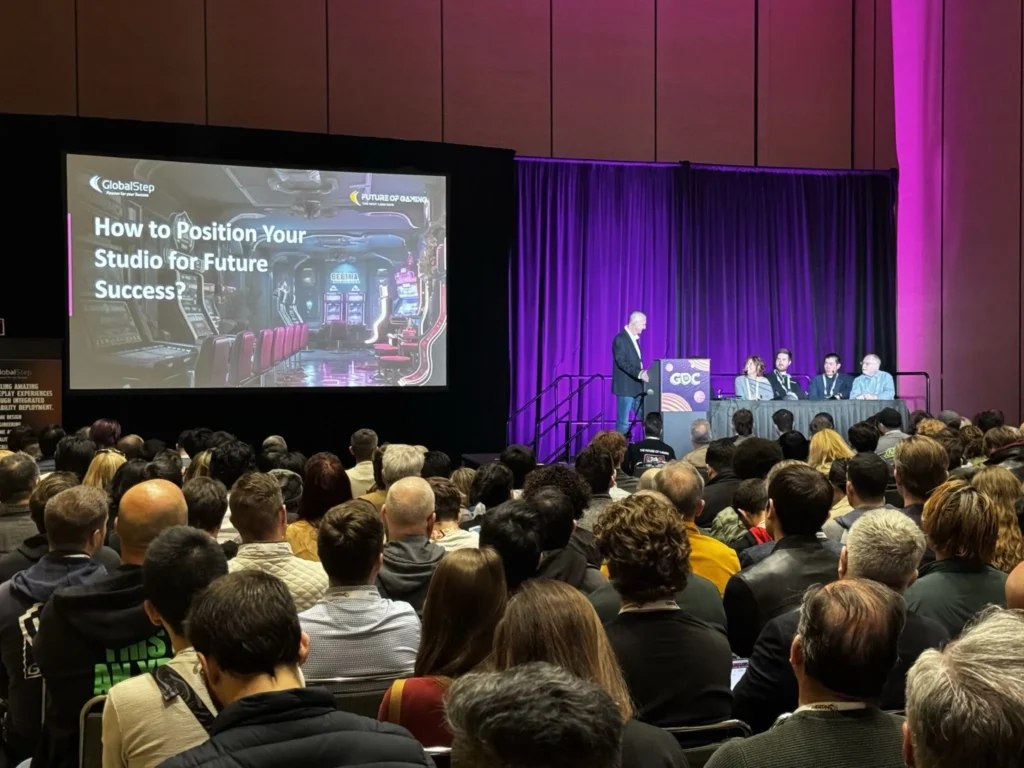
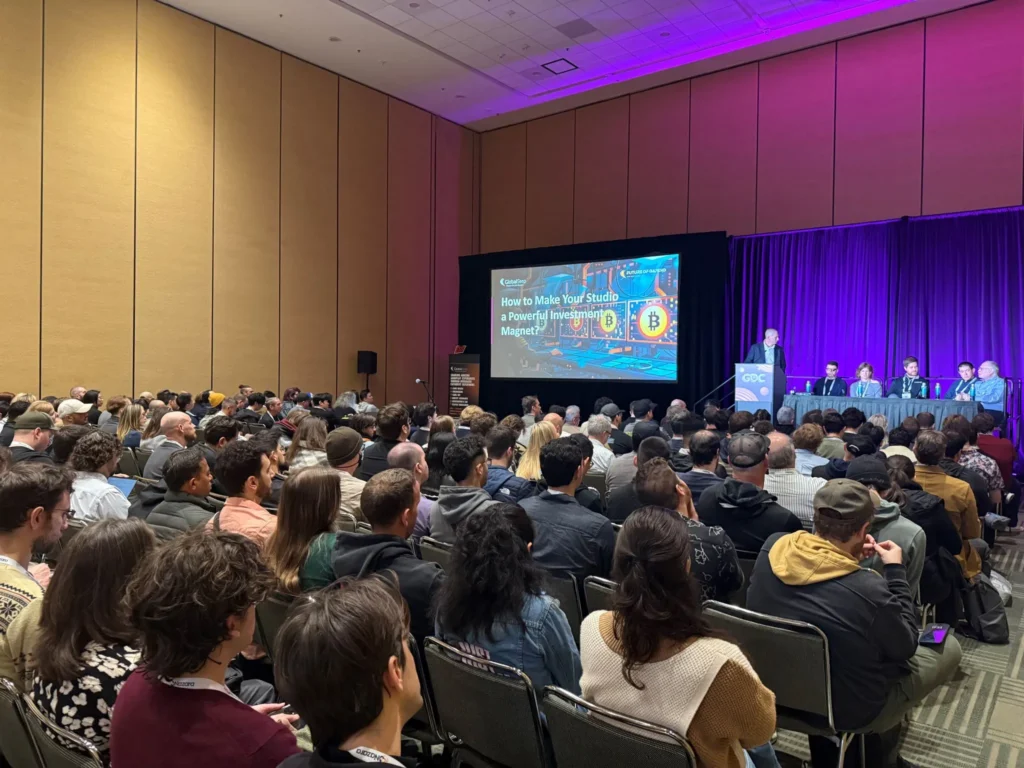
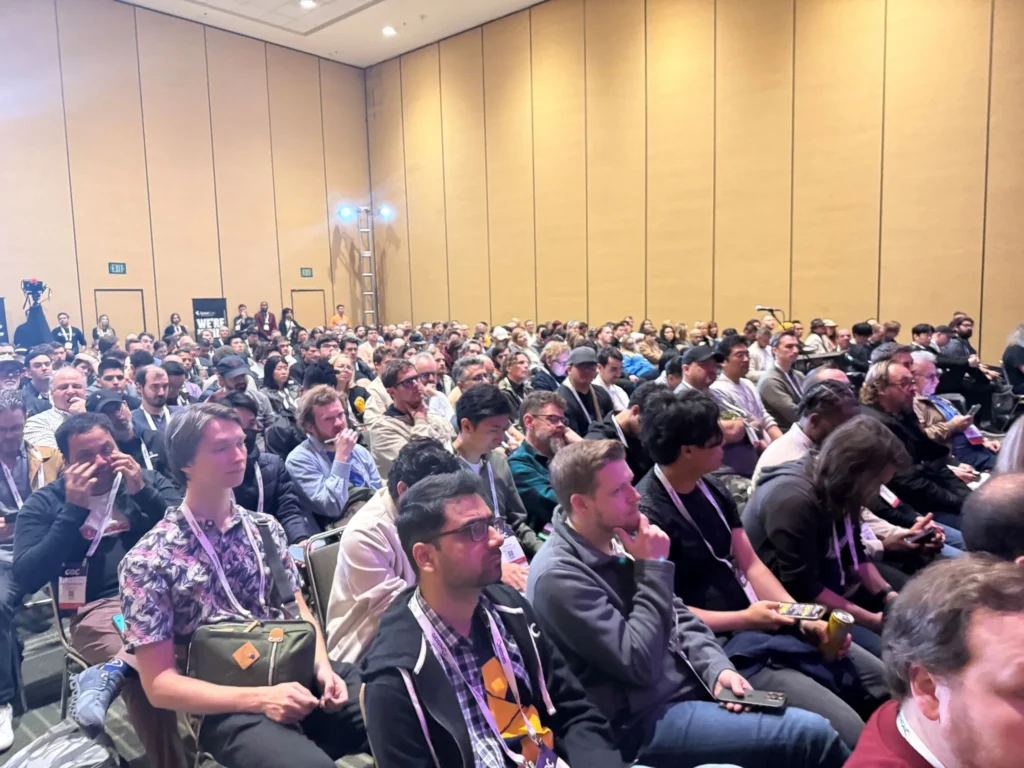
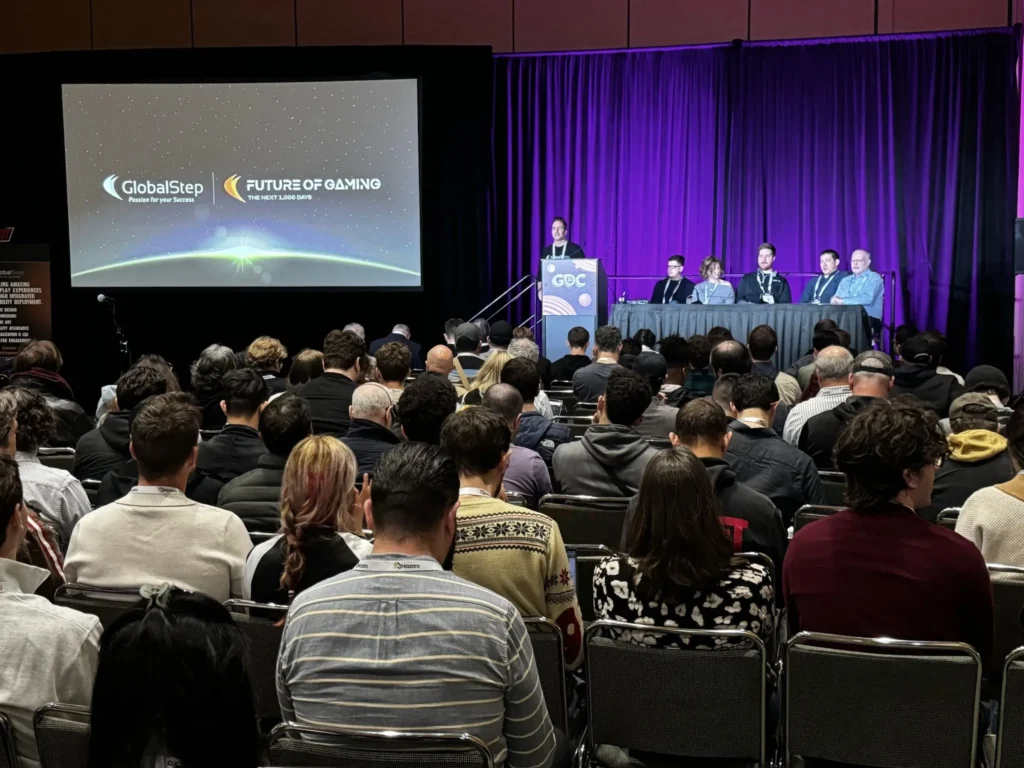
DALLAS, Texas – March 27, 2025 – GlobalStep, powering the future of video games through end-to-end creative and technical solutions, concluded a landmark participation at GDC 2025 with a standing-room-only panel that drew hundreds of gaming professionals eager to discuss what’s next for the gaming industry. The session was built upon Founder and CEO Gagan Ahluwalia’s recent article, “’Navigating Uncharted Waters,” which discusses the industry’s inflection point and outlines a bold call for the industry to embrace AI with purpose, rethink funding models, and evolve production strategies to stay ahead in a rapidly shifting landscape.

The highly anticipated panel, “The Future of Gaming: The Next 1,000 Days,” featured insights from some of the industry’s most influential voices. Moderated by GlobalStep Board Member and former Kabam CEO Tim Fields, the discussion included Jason Chapman (Managing Partner, Konvoy Ventures), Ryan Filsinger (CEO, Iron Fox Games), Leah Hoyer (CEO & Head of Creative, Level Headed Games), Jeff Pobst (CEO & Founder, Hidden Path Entertainment), and Luke Takeuchi (Executive Producer, Night Garden Studio). Attendees packed the room for a forward-looking conversation on what it will take to thrive in an increasingly dynamic and competitive environment.

The future of gaming will be shaped by how each studio navigates the uncharted waters ahead of us — aligning innovation with its unique strategy, market position, and creative vision” said GlobalStep Founder and CEO Gagan Ahluwalia. “As an industry, our greatest opportunity lies in attracting and empowering the world’s best talent to build experiences that captivate and inspire players across the globe.”

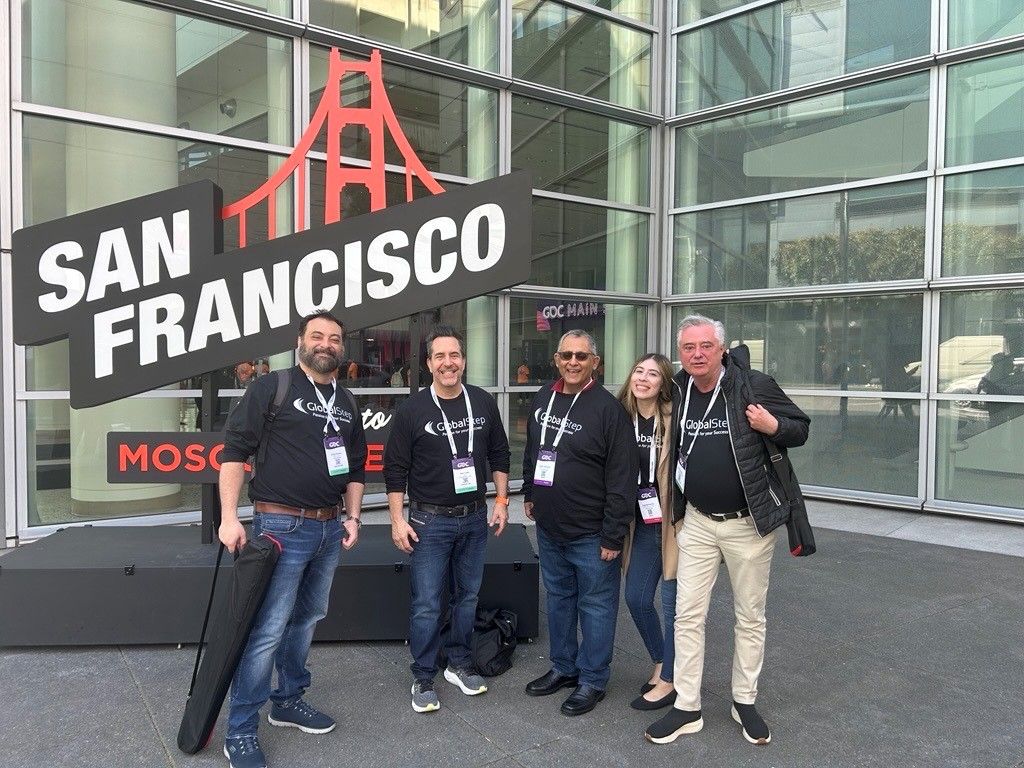
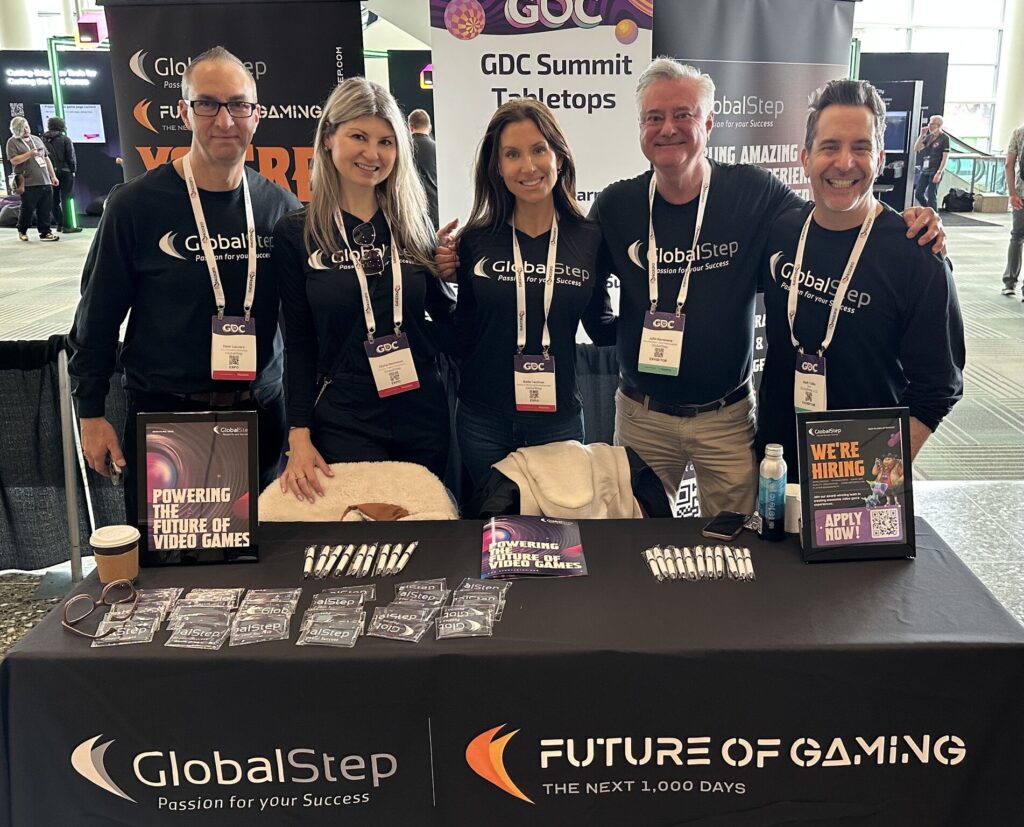
GlobalStep’s commitment to shaping the future of the industry extended beyond the panel. The company deployed 15 leadership personnel across all lines of service on the ground during GDC, engaging with thousands of professionals across the week to offer personalized career guidance and share insights on career growth within the gaming world. Their presence underscored the company’s focus on investing in talent and inspiring the next generation of game creators.

GlobalStep extends its deepest thanks to the incredible panelists, moderator Tim Fields, and the GDC community for contributing to such a meaningful and energizing event. The company looks forward to continuing the conversation throughout the year with new thought leadership content, industry engagements, and insights from the brightest minds in gaming.

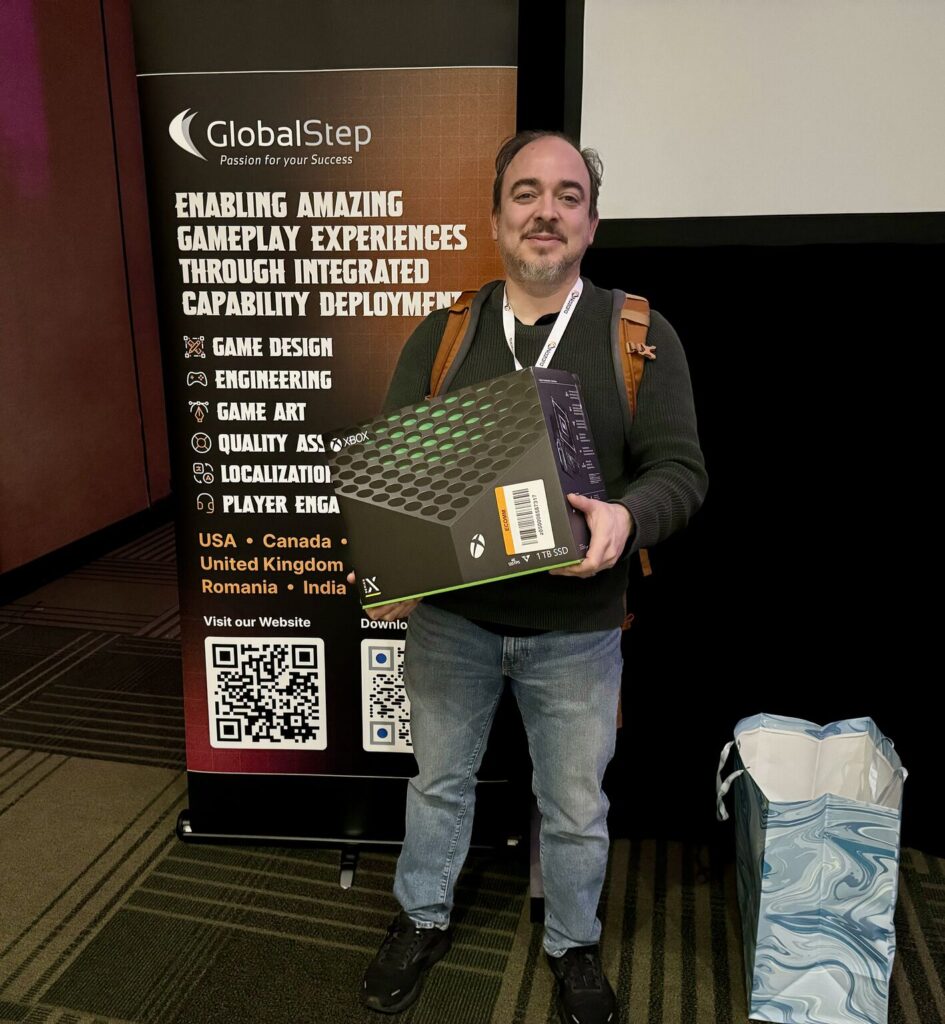
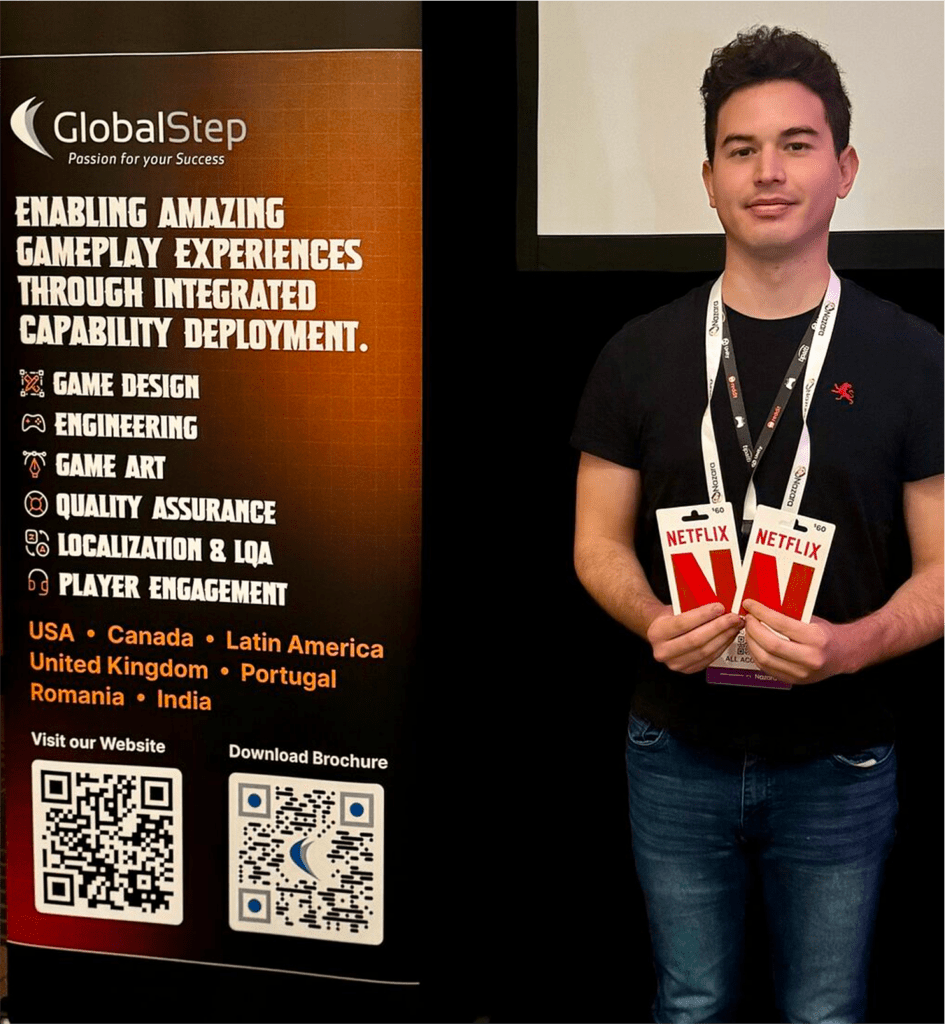
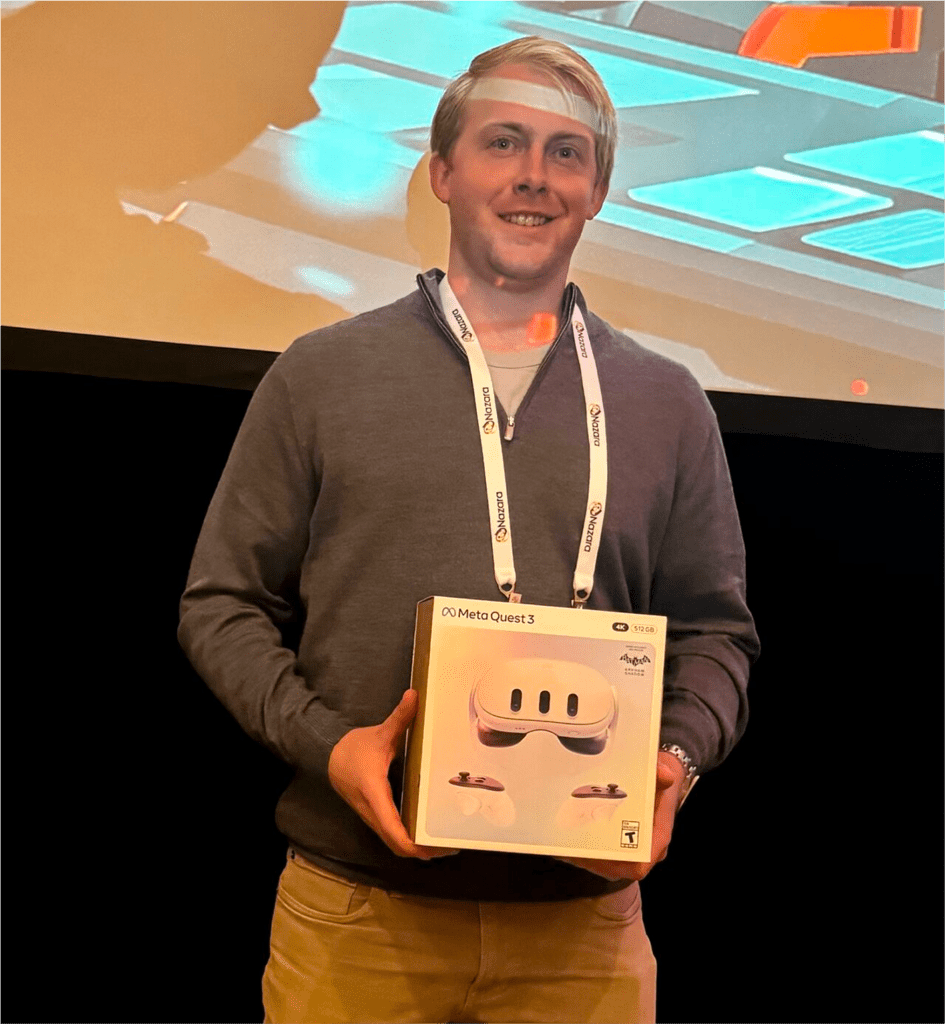
Congratulations to our raffle winners, who took home amazing prizes including a Microsoft Xbox Series X, Meta Quest 3, Sony PlayStation 5, and Netflix gift cards!

About GlobalStep

GlobalStep is a leading provider of creative and technical solutions to the global video games industry, powering the future of games with a comprehensive delivery platform that spans the entire game development lifecycle. With over two decades of experience, our specialized practice—including Art, Game Design, Engineering, Games QA, Localization, Player Support, and Analytics—has empowered more than 350 game studios worldwide to create unforgettable experiences across all platforms. Headquartered in Dallas, Texas, and operating globally, GlobalStep is dedicated to the success of our clients by delivering the expertise and innovation needed to bring visionary games to life. Learn more at https://www.globalstep.com and follow us on LinkedIn.

Gallery
Press Contacts

Mark D. Tullio, Chief Marketing Officer of GlobalStep
+1 551-655-5443
mark.tullio@globalstep.com

Kate Pietrelli, PR on behalf of GlobalStep
+1 760-518-2633
kate@pathadvisors.com
You might also want to check
Fast and Beautiful: How to Optimize Game Art Without Losing Players

Fast and Beautiful: How to Optimize Game Art Without Losing Players

Low framerates kill immersion. Lag or choppy animations at an action moment can turn players off. Although great visuals create a game’s image, it is the performance that keeps players…
Choosing the Right Game Art Partner for Seamless Workflow

Choosing the Right Game Art Partner for Seamless Workflow

In Part 1 of this blog series, we discussed how game art outsourcing is a strategic benefit for developers that value both quality and scaling. Part 2 then dissected the…
Outsource to Outperform: How to Choose the Best Game Art Partner in 2025

Outsource to Outperform: How to Choose the Best Game Art Partner in 2025

Finding the right game art partner is no easy quest, and the success of your game could depend on it. In this two-part blog series, we’ll start by exploring why outsourcing is often the best choice, plus key models and benefits to consider before choosing a partner. Let’s get started!

The global gaming market is on track to exceed $363 billion by 2027. (UStimes) So, it goes without saying that making game art that stands out from the rest is a critical competitive advantage. Visuals aren’t just decoration — they form players’ first and lasting impressions. High-impact environments, memorable characters, and intuitive UI drive engagement and retention through thoughtful character design and overall game design.

Whether you’re an indie studio or an established publisher, augmenting your core art team with specialized partners lets you scale rapidly and control costs. But choosing the wrong partner can undermine your creative vision, slow your game development timeline, and ultimately your budget.

Partnering with the right game art team means balancing quality, speed, cost, and cultural fit — and that’s where GlobalStep’s nearly two decades of stylized-and-casual expertise ensures your project looks and plays exactly as you intend.

In-House vs. Outsourcing: Choosing the Right Model

To decide between in-house and game development outsourcing, compare the trade-offs below. An internal team offers full control and shared culture, while a game art outsourcing studio delivers on-demand game art services — from 2d game art outsourcing to 3d art services — with minimal overhead. Top game art outsourcing companies streamline art outsourcing and outsourcing game art so you scale fast without sacrificing quality.

 In-House TeamOutsourced Partner
Control & CultureDirect oversight, shared company values.Leverage established processes — vetted partners primed to learn and embody your team culture and adapts quickly to your priorities.
Upfront InvestmentVery high (hiring, benefits, workspace, training).Minimal — only pay for delivered assets, no long-term commitments or overhead.
Talent PoolA la carte talent pool but limited by local availability.Access to best-in-class specialists worldwide, across the style spectrum in 2D and 3D design from hand painted to PBR.
ScalabilitySlow, costly. Hiring/firing cycles can affect your PR.On-demand scaling — ramp team size up or down within days according to planned project milestones and seasonal needs.
Time to MarketLong ramp-up for recruitment and onboarding.Rapid kickoff via proven pipelines — start seeing concept art in weeks, not months.

Key Benefits of Outsourcing Your Game Art

  • Cost Efficiency: Some milestones are more intense than others. Increasing your internal headcount can slow down progress and be wasteful on low intensity cycles. Your funding can go farther when you supplemented (and boost) using scheduled spending per milestone.
  • Speed & Agility: Tap into ready-made teams with domain-specific pipelines — no onboarding lag. If your pipeline isn’t set, experts can design one that’s right for you.
  • Access to Innovation: Our varied experience gives us insight into various cutting-edge tools and workflows you get to use immediately.
  • Risk Mitigation: Shift responsibility for deadlines, quality assurance, and IP security to experts.


Now that we’ve covered why outsourcing is a smart move and how it supports your game development goals, stay tuned for Part 2 — where we break down the seven essential factors you should use to evaluate and choose the right game art partner.

Fast and Beautiful: How to Optimize Game Art Without Losing Players

Fast and Beautiful: How to Optimize Game Art Without Losing Players

Low framerates kill immersion. Lag or choppy animations at an action moment can turn players off. Although great visuals create a game’s image, it is the performance that keeps players…
Choosing the Right Game Art Partner for Seamless Workflow

Choosing the Right Game Art Partner for Seamless Workflow

In Part 1 of this blog series, we discussed how game art outsourcing is a strategic benefit for developers that value both quality and scaling. Part 2 then dissected the…
Outsource to Outperform: How to Choose the Best Game Art Partner in 2025

Outsource to Outperform: How to Choose the Best Game Art Partner in 2025

Finding the right game art partner is no easy quest, and the success of your game could depend on it. In this two-part blog series, we’ll start by exploring why outsourcing is often the best choice, plus key models and benefits to consider before choosing a partner. Let’s get started!

The global gaming market is on track to exceed $363 billion by 2027. (UStimes) So, it goes without saying that making game art that stands out from the rest is a critical competitive advantage. Visuals aren’t just decoration — they form players’ first and lasting impressions. High-impact environments, memorable characters, and intuitive UI drive engagement and retention through thoughtful character design and overall game design.

Whether you’re an indie studio or an established publisher, augmenting your core art team with specialized partners lets you scale rapidly and control costs. But choosing the wrong partner can undermine your creative vision, slow your game development timeline, and ultimately your budget.

Partnering with the right game art team means balancing quality, speed, cost, and cultural fit — and that’s where GlobalStep’s nearly two decades of stylized-and-casual expertise ensures your project looks and plays exactly as you intend.

In-House vs. Outsourcing: Choosing the Right Model

To decide between in-house and game development outsourcing, compare the trade-offs below. An internal team offers full control and shared culture, while a game art outsourcing studio delivers on-demand game art services — from 2d game art outsourcing to 3d art services — with minimal overhead. Top game art outsourcing companies streamline art outsourcing and outsourcing game art so you scale fast without sacrificing quality.

 In-House TeamOutsourced Partner
Control & CultureDirect oversight, shared company values.Leverage established processes — vetted partners primed to learn and embody your team culture and adapts quickly to your priorities.
Upfront InvestmentVery high (hiring, benefits, workspace, training).Minimal — only pay for delivered assets, no long-term commitments or overhead.
Talent PoolA la carte talent pool but limited by local availability.Access to best-in-class specialists worldwide, across the style spectrum in 2D and 3D design from hand painted to PBR.
ScalabilitySlow, costly. Hiring/firing cycles can affect your PR.On-demand scaling — ramp team size up or down within days according to planned project milestones and seasonal needs.
Time to MarketLong ramp-up for recruitment and onboarding.Rapid kickoff via proven pipelines — start seeing concept art in weeks, not months.

Key Benefits of Outsourcing Your Game Art

  • Cost Efficiency: Some milestones are more intense than others. Increasing your internal headcount can slow down progress and be wasteful on low intensity cycles. Your funding can go farther when you supplemented (and boost) using scheduled spending per milestone.
  • Speed & Agility: Tap into ready-made teams with domain-specific pipelines — no onboarding lag. If your pipeline isn’t set, experts can design one that’s right for you.
  • Access to Innovation: Our varied experience gives us insight into various cutting-edge tools and workflows you get to use immediately.
  • Risk Mitigation: Shift responsibility for deadlines, quality assurance, and IP security to experts.


Now that we’ve covered why outsourcing is a smart move and how it supports your game development goals, stay tuned for Part 2 — where we break down the seven essential factors you should use to evaluate and choose the right game art partner.